Keichousaurus: A Snapshot of Early Reptilian Evolution

Keichousaurus, a small marine reptile from the Triassic Period (approximately 230 million years ago), represents a fascinating chapter in the evolutionary history of reptiles. Discovered primarily in southern China, this animal provides a glimpse into the ecosystems that existed during the early stages of the Mesozoic Era, a time when the first dinosaurs were emerging […]
The Bone Valley Formation: Florida’s Fossil Treasure Trove

The Bone Valley Formation, located in central Florida, is one of the most renowned fossil sites in the United States. This Miocene to Pliocene-aged geological formation (approximately 10 to 5 million years old) is celebrated for its extraordinary fossil record, particularly its abundance of shark teeth. These fossils provide a fascinating glimpse into the marine […]
Petrified Wood: Nature’s Timeless Masterpiece

Petrified wood is a striking natural wonder that captivates collectors, geologists, and nature enthusiasts alike. This fossilized relic of ancient forests tells a story of transformation, where organic material has been replaced with minerals, preserving the intricate details of wood in stone. Found worldwide, each piece of petrified wood offers a unique glimpse into Earth’s […]
The Green River Formation: A Window into an Ancient Ecosystem

The Green River Formation, spanning parts of Colorado, Utah, and Wyoming, is one of the most remarkable fossil sites in the world. Dating back to the Eocene Epoch (approximately 56 to 33.9 million years ago), this formation provides a detailed snapshot of life in and around ancient freshwater lakes. Renowned for its exceptional fossil preservation, […]
The Evolution of Fish: Pioneers of the Paleozoic Seas

Fish, the earliest vertebrates to appear in Earth’s history, represent a pivotal chapter in the evolution of life. Emerging over 500 million years ago, during the Paleozoic Era, fish underwent dramatic diversification and adaptation, laying the foundation for all modern vertebrates. The Paleozoic, spanning from the Cambrian to the Permian, was a transformative era for […]
Trilobites: Evolution and Diversification of Ancient Arthropods

Trilobites are one of the most iconic and diverse groups of extinct marine arthropods, thriving for over 270 million years from the Cambrian Period (521 million years ago) to the end of the Permian (252 million years ago). Their fossil record provides unparalleled insights into the evolution of life on Earth, showcasing rapid diversification, adaptability, […]
Shale

Shale: A Sedimentary Window into Earth’s Past Shale is one of the most abundant sedimentary rocks on Earth, covering vast swaths of the planet’s surface and holding the keys to understanding ancient environments. This fine-grained rock forms in quiet water environments, such as lakes, river deltas, and deep marine basins. Its unique properties make it […]
Sandstone
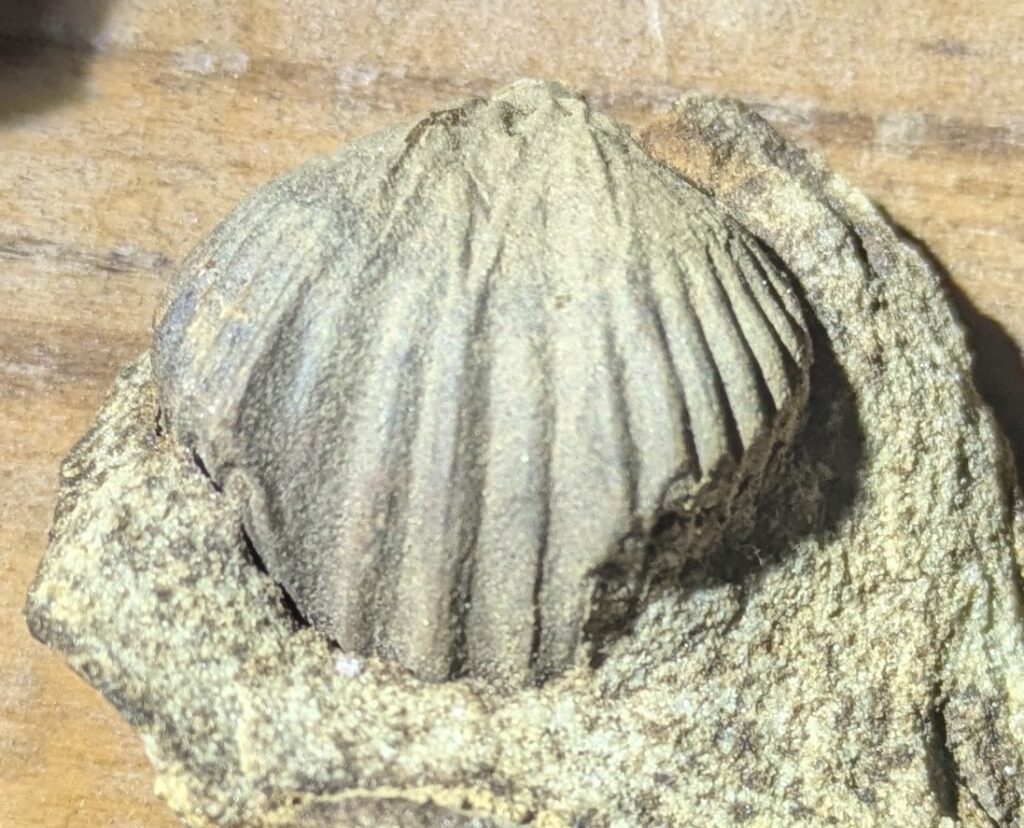
Sandstone: A Fossil Treasure Trove Sandstone, a sedimentary rock composed primarily of sand-sized mineral particles, is one of the most abundant and versatile rocks on Earth. Renowned for its durability, aesthetic appeal, and geological significance, sandstone also holds a special place in the world of paleontology. As a rock that often forms in environments where […]
Limestone

Limestone: The Versatile Rock of Earth’s History Limestone is one of the most abundant and widely used sedimentary rocks on Earth. Formed primarily from the skeletal remains of marine organisms, this rock has played a vital role in shaping landscapes, supporting ecosystems, and serving as a crucial material in human civilization. Found in a variety […]
The Pleistocene Epoch

The Pleistocene Epoch: The Ice Age and the Rise of Humans The Pleistocene Epoch, spanning approximately 2.6 million to 11,700 years ago, is perhaps best known as the “Ice Age.” This epoch was characterized by repeated glacial cycles, during which massive ice sheets covered much of the Northern Hemisphere. It was a time of dramatic […]