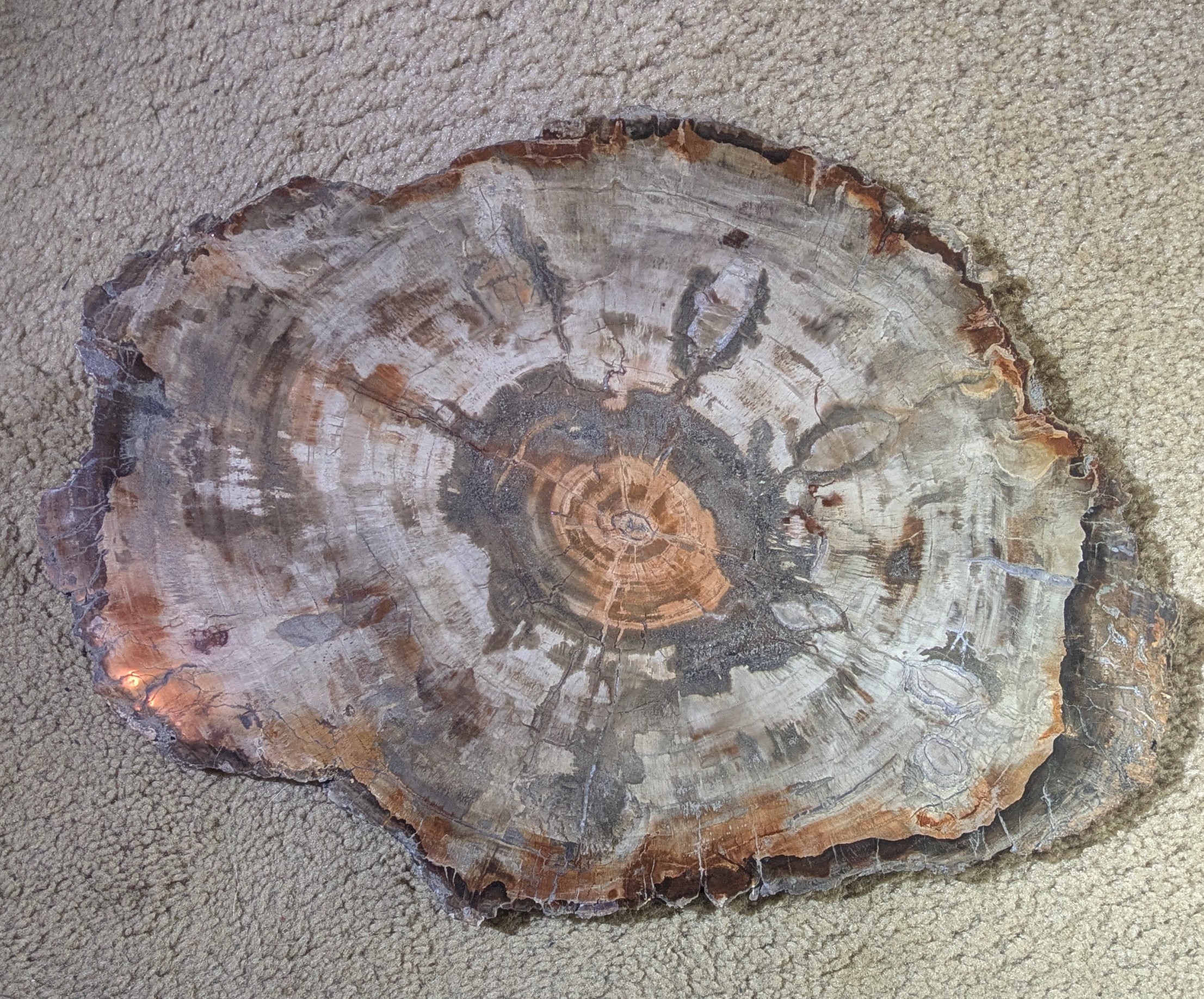
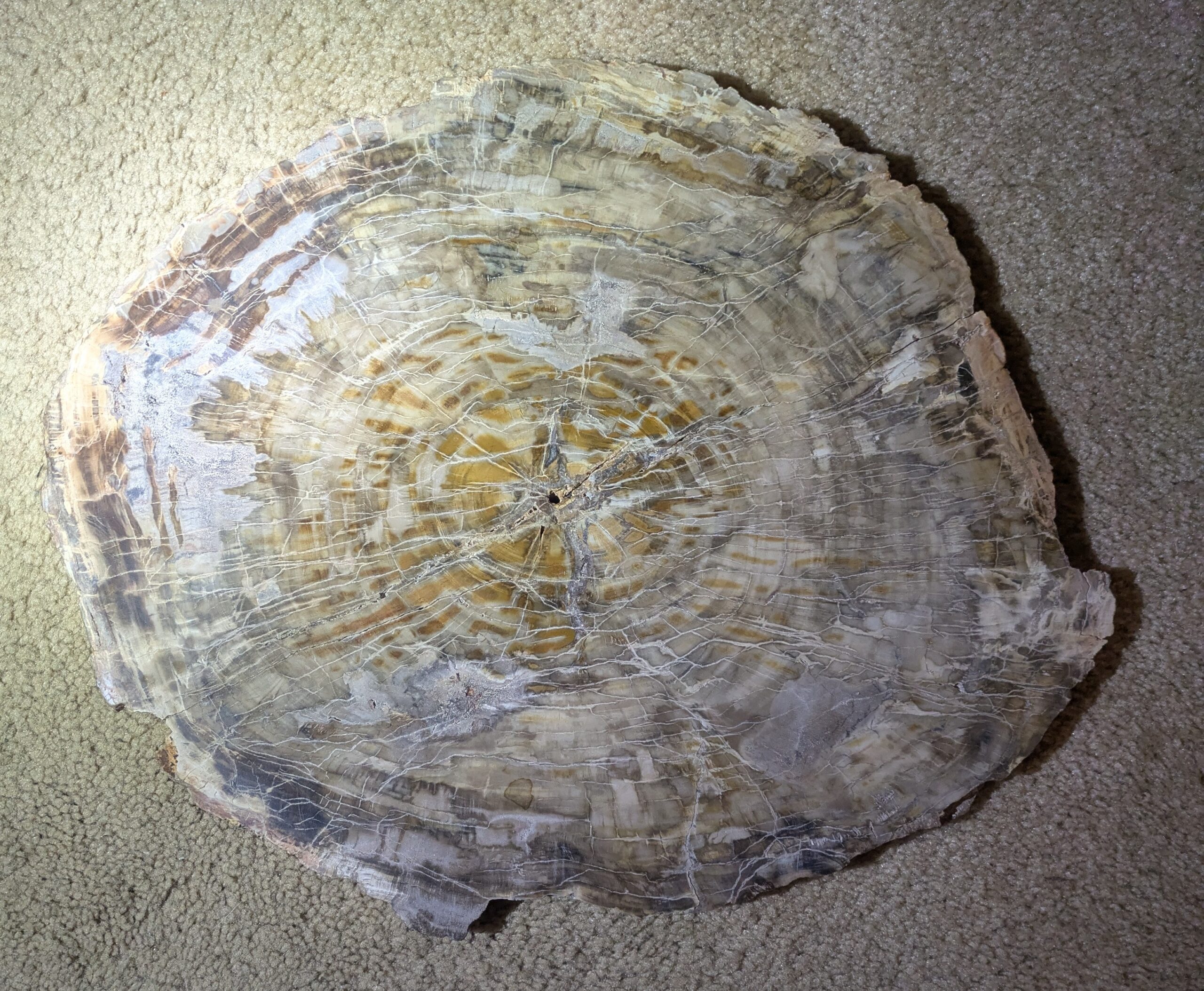
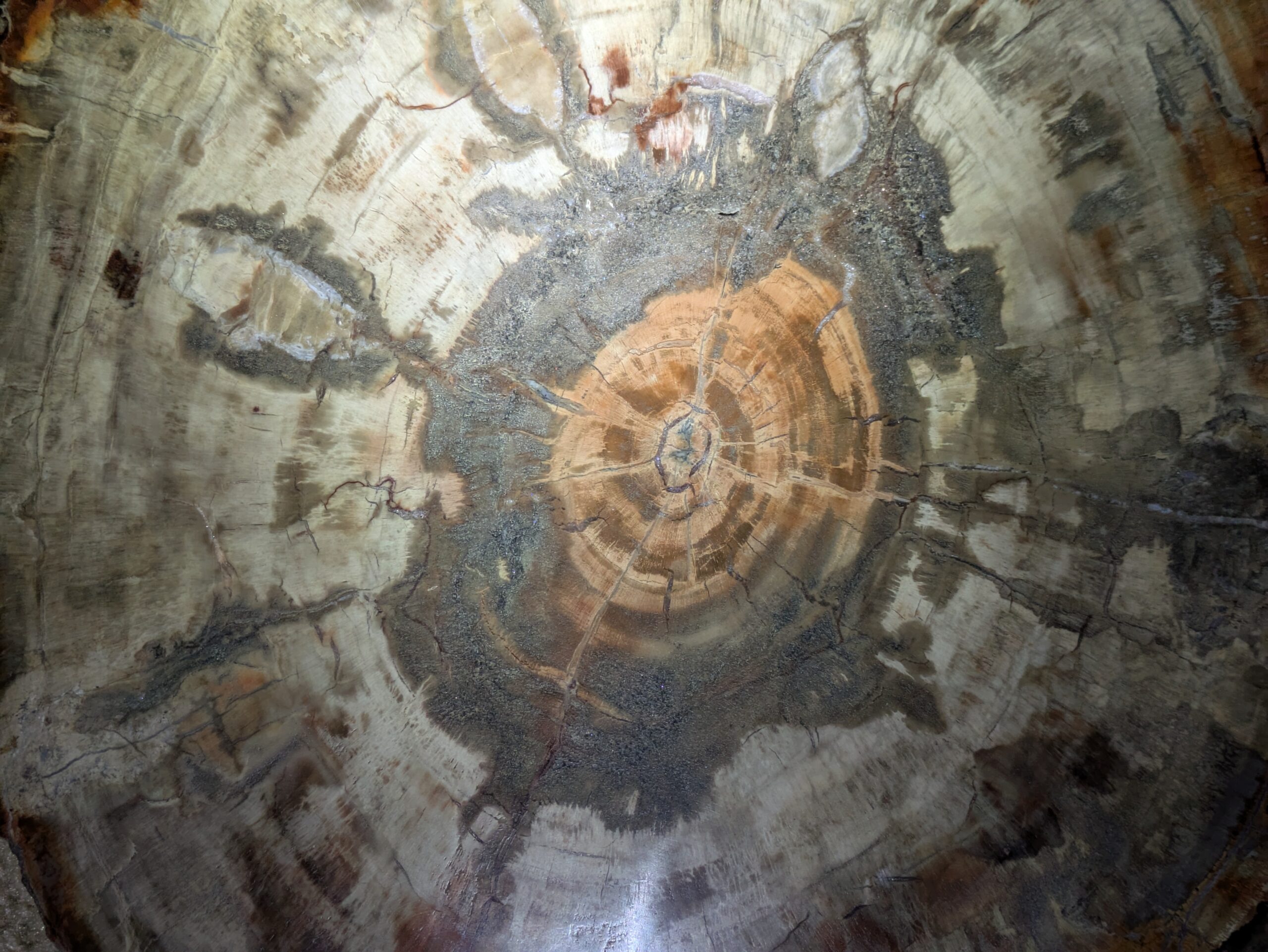
Petrified wood is a striking natural wonder that captivates collectors, geologists, and nature enthusiasts alike. This fossilized relic of ancient forests tells a story of transformation, where organic material has been replaced with minerals, preserving the intricate details of wood in stone. Found worldwide, each piece of petrified wood offers a unique glimpse into Earth’s history and the processes that shaped it.
How Petrified Wood is Formed
The formation of petrified wood is a result of a rare and remarkable process called permineralization, which occurs under specific conditions:
- Burial of Wood:
- Trees that fall in environments rich in sediment, such as riverbeds, volcanic ash fields, or floodplains, can be rapidly buried. This burial protects the wood from decay by isolating it from oxygen and microorganisms.
- Saturation with Mineral-Rich Water:
- Over time, groundwater rich in minerals like silica, calcite, or iron flows through the buried wood. These minerals seep into the cells of the wood.
- Replacement and Preservation:
- The organic material in the wood is slowly replaced by minerals, molecule by molecule, while the original structure, including growth rings and bark, is preserved in stunning detail.
- Role of Volcanic Ash:
- In many cases, the trees were buried in layers of volcanic ash. This ash contains high concentrations of silica and other minerals. As water percolates through the ash, it dissolves these minerals and delivers them to the buried wood, resulting in vibrant colors and extraordinary preservation.
- Lithification:
- The wood is fully petrified when the organic material is completely replaced, and the minerals harden into stone. This process can take millions of years.
The Spectacular Colors of Petrified Wood
Petrified wood comes in a rainbow of colors, each resulting from the specific minerals present during its formation. Volcanic ash plays a crucial role in creating these hues:
- Red and Pink: Iron oxide from volcanic ash gives the wood rich red and pink tones.
- Yellow and Orange: Various forms of iron minerals result in warm yellow and orange colors.
- Blue and Green: Copper, cobalt, or chromium present in the ash or groundwater creates these cool tones.
- Black and Gray: High concentrations of carbon or manganese create dark, dramatic patterns.
- White: Pure silica from volcanic ash contributes to bright white areas.
These colors create vibrant patterns, turning each piece of petrified wood into a natural work of art.
Famous Petrified Wood Locations
1. Petrified Forest National Park, Arizona, USA
Arizona is home to one of the world’s most famous deposits of petrified wood. The trees here, dating back to the Late Triassic period (over 200 million years ago), include species like ancient conifers.
- Distinctive Features:
- Many of the trees were buried under volcanic ash, which contributed silica and iron minerals to the fossilization process.
- The petrified wood is often multicolored, with reds, oranges, and yellows dominating due to iron oxides in the ash.
- Large logs, some over 100 feet long, are scattered throughout the desert landscape, offering a breathtaking view of Earth’s ancient forests.
2. Madagascar
Madagascar boasts petrified wood that is prized for its vibrant colors and exotic origins. These fossils date back to the Jurassic period (about 160 million years ago).
- Distinctive Features:
- The wood often displays striking reds, yellows, and whites, thanks to mineral-rich volcanic deposits in the region.
- Highly polished pieces from Madagascar are popular in jewelry and decorative art due to their brilliance and unique patterns.
3. Wyoming’s Blue Forest
The Blue Forest, located in southwestern Wyoming, is renowned for its stunning petrified wood specimens from the Eocene epoch (about 50 million years ago).
- Distinctive Features:
- Many trees were buried in a mix of volcanic ash and silica-rich mudflows, resulting in a layer of white or bluish chalcedony that encases the wood.
- Fossilized cypress trees dominate the area, with delicate wood grain patterns preserved in extraordinary detail.
- The bluish hue comes from silica-rich water that flowed through the region millions of years ago.
Petrified Wood as a Fossil and Art Form
Beyond its scientific value, petrified wood is celebrated for its aesthetic appeal:
- Decorative Uses:
- Polished slabs and cross-sections are used in furniture, jewelry, and home decor.
- Scientific Importance:
- Each piece provides a snapshot of ancient ecosystems, revealing details about prehistoric climate and vegetation.
- Collector’s Item:
- Rare specimens, especially those with vivid colors or unique patterns, are highly sought after by collectors.
Caring for Petrified Wood
To maintain its beauty, petrified wood requires minimal care:
- Cleaning:
- Use a soft cloth and mild soap to remove dust and dirt.
- Display:
- Avoid prolonged exposure to direct sunlight, which can fade its colors over time.
Conclusion
Petrified wood is more than a fossil—it’s a testament to nature’s artistry and the passage of time. The role of volcanic ash in contributing vibrant colors and preserving intricate details adds to its allure. From the multicolored logs of Arizona to the exotic beauty of Madagascar and the chalcedony-coated wonders of Wyoming’s Blue Forest, petrified wood connects us to Earth’s distant past while inspiring awe and admiration in the present. Whether you’re a collector, scientist, or simply a lover of natural wonders, petrified wood is a timeless treasure that continues to captivate.