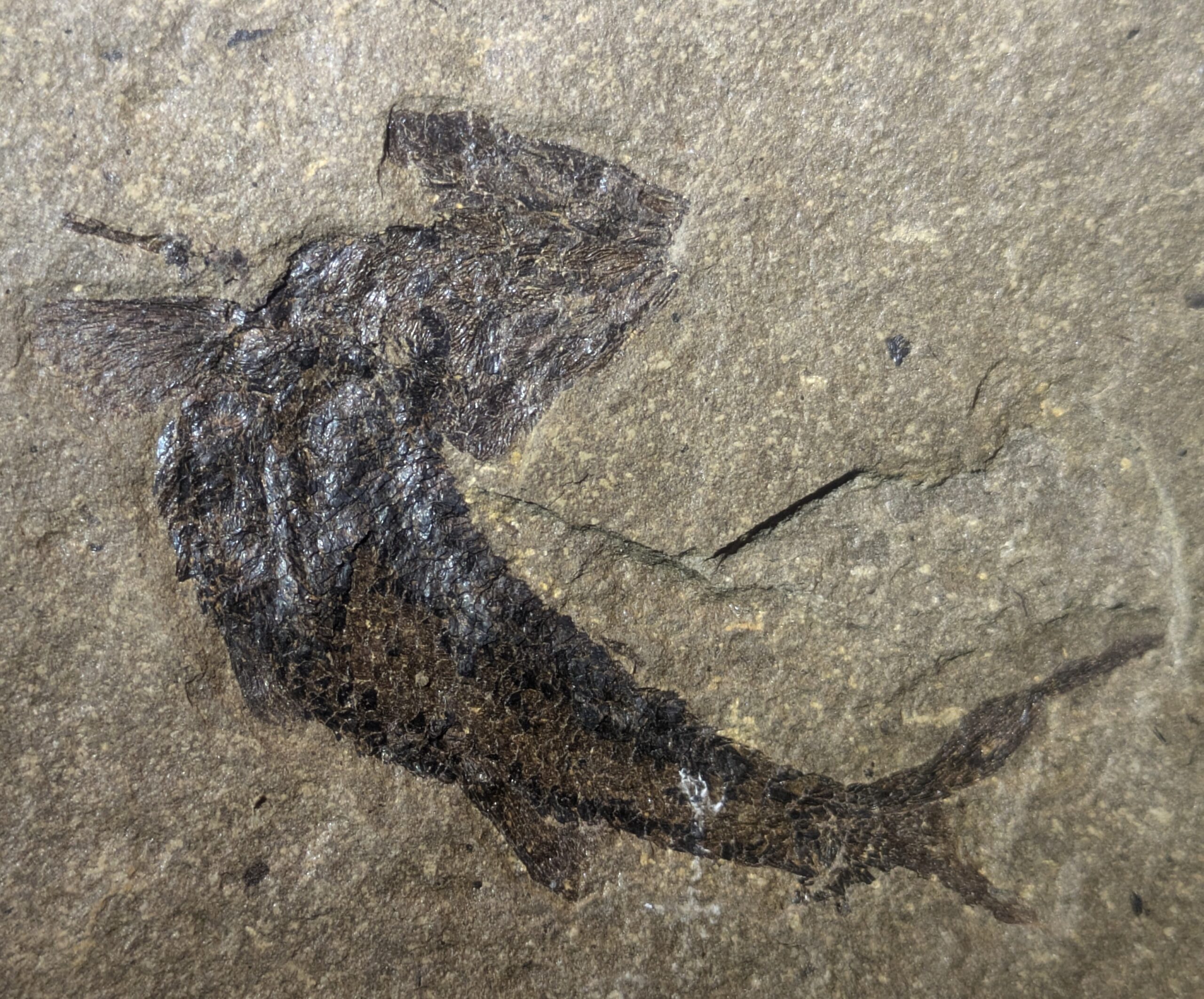
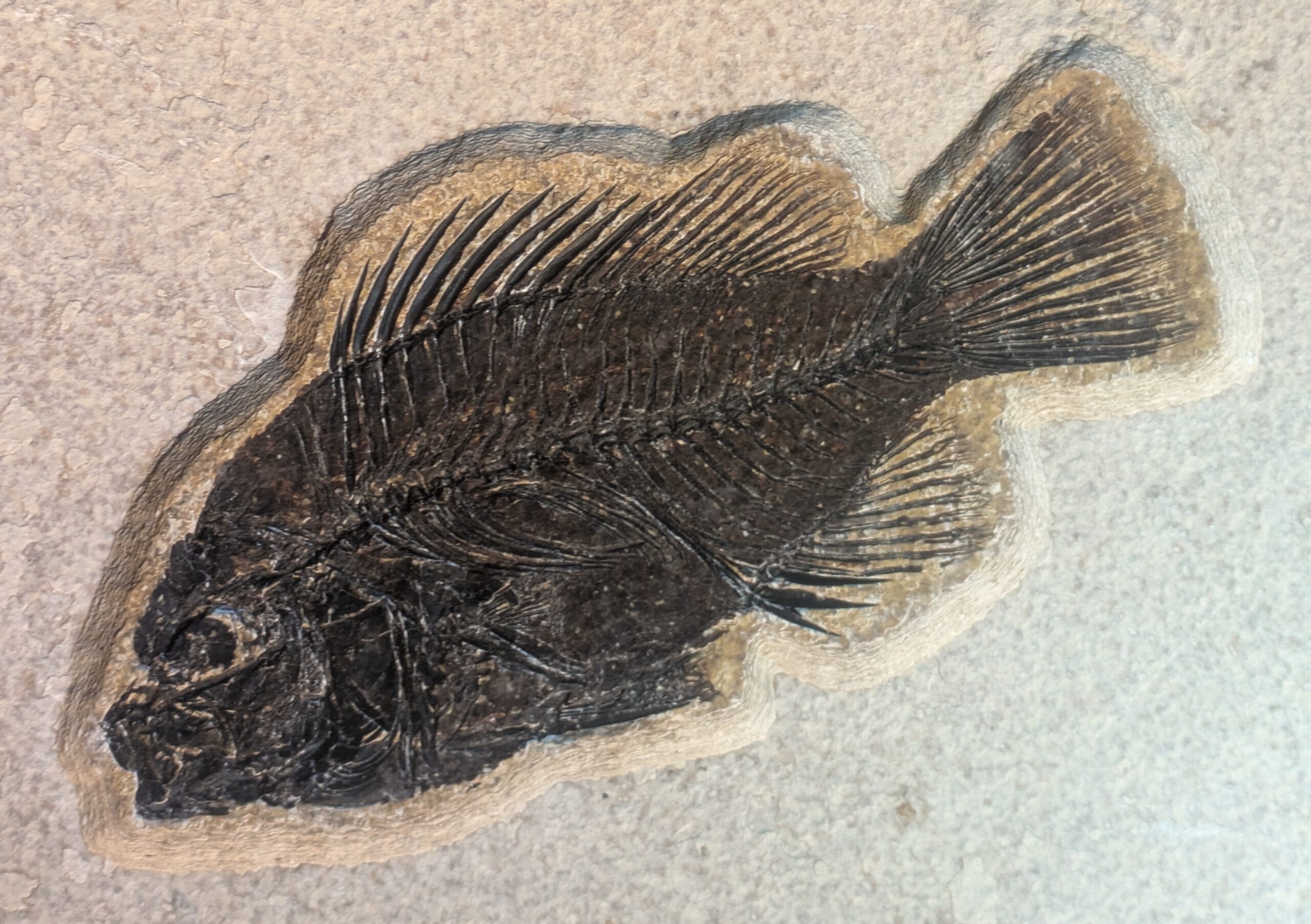
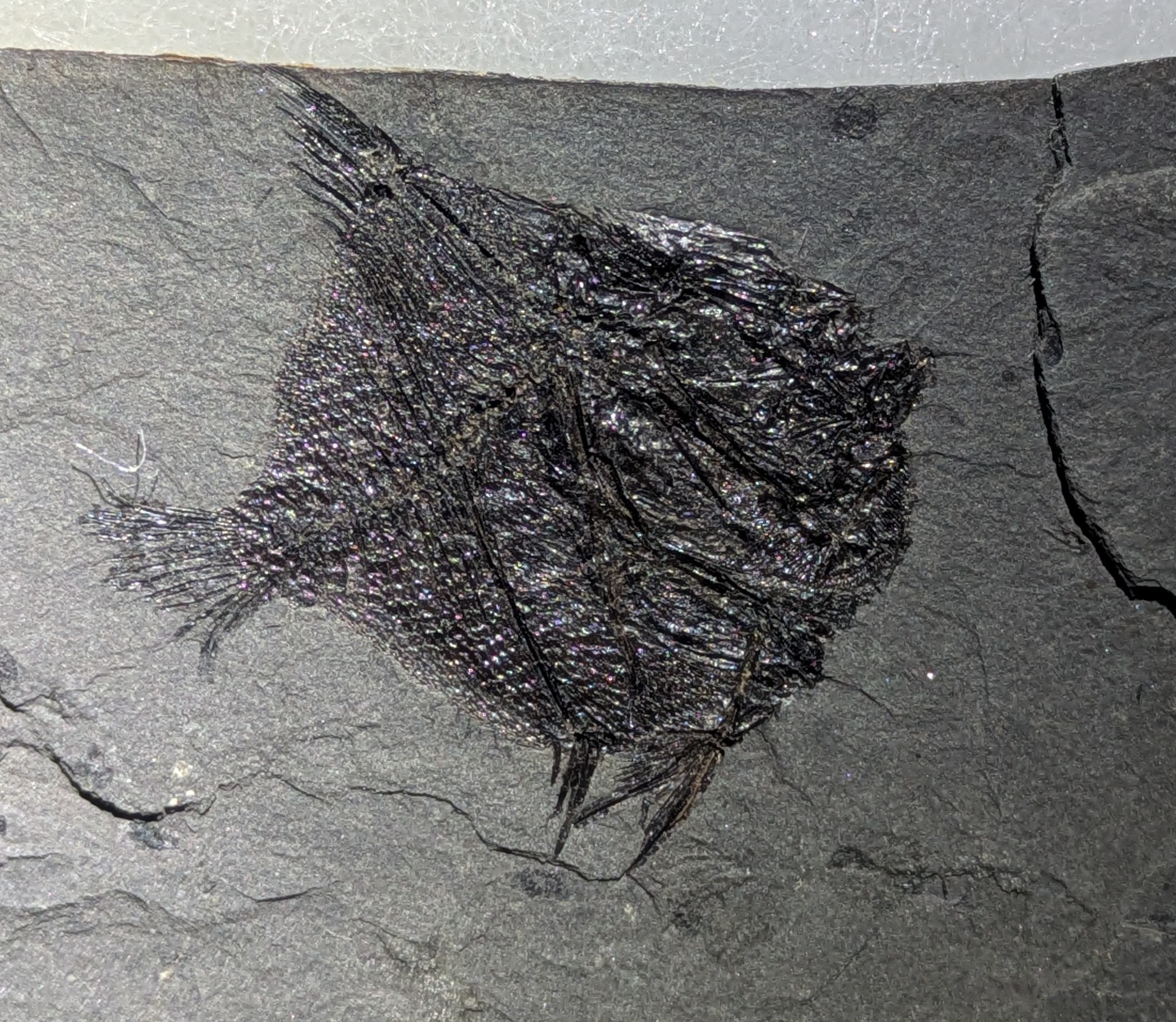
Fish, the earliest vertebrates to appear in Earth’s history, represent a pivotal chapter in the evolution of life. Emerging over 500 million years ago, during the Paleozoic Era, fish underwent dramatic diversification and adaptation, laying the foundation for all modern vertebrates. The Paleozoic, spanning from the Cambrian to the Permian, was a transformative era for fish evolution, witnessing the transition from simple jawless organisms to sophisticated predators and the precursors of land vertebrates.
Origins: The First Fish in the Cambrian
The earliest fish appeared in the Cambrian Period (approximately 541–485 million years ago), coinciding with the Cambrian Explosion, a time of rapid evolutionary innovation.
- Jawless Fish (Agnatha):
- The first fish were jawless and resembled modern hagfish and lampreys. These primitive creatures had simple cartilaginous skeletons, no paired fins, and lacked jaws.
- Examples include Haikouichthys and Myllokunmingia, small, eel-like organisms with a notochord and rudimentary gills.
- These early fish played a critical role in establishing the basic body plan of vertebrates.
Ordovician and Silurian: The Rise of Jawless Fish
During the Ordovician Period (485–443 million years ago), jawless fish diversified into various forms, giving rise to the ostracoderms, an extinct group of armored jawless fish.
- Ostracoderms:
- These fish developed bony armor plates for protection, a major evolutionary innovation.
- While still jawless, ostracoderms exhibited greater mobility and adaptability than their Cambrian ancestors.
- Examples include Arandaspis and Cephalaspis.
The Silurian Period (443–419 million years ago) marked the emergence of another groundbreaking development: jaws.
- The Evolution of Jaws:
- Jaws likely evolved from gill arches, structures supporting the gills.
- This adaptation allowed fish to become active predators, enabling them to bite, grasp, and process food more effectively.
- The appearance of jaws marked the transition to gnathostomes (jawed vertebrates), setting the stage for the explosion of fish diversity in the Devonian.
The Devonian: The Age of Fish
The Devonian Period (419–359 million years ago) is often called the “Age of Fish” due to the extraordinary diversity and abundance of fish species during this time.
Major Groups of Devonian Fish
- Placoderms:
- Early jawed fish with bony armor, such as Dunkleosteus, were apex predators in Devonian seas.
- Placoderms exhibited a hinged jaw mechanism, enabling powerful bites, and some developed paired fins for better maneuverability.
- Acanthodians:
- Known as “spiny sharks,” acanthodians had both cartilaginous and bony features.
- These fish were among the first to develop paired fins and scales resembling modern fish.
- Cartilaginous Fish (Chondrichthyes):
- The ancestors of modern sharks and rays appeared in the Devonian, with species like Cladoselache.
- These fish had streamlined bodies, flexible cartilage skeletons, and sharp teeth, making them effective hunters.
- Lobe-Finned Fish (Sarcopterygii):
- Lobe-finned fish, such as Eusthenopteron, had fleshy, muscular fins supported by bones.
- This group is significant because it includes the ancestors of all tetrapods (four-limbed vertebrates).
- Lobe-finned fish like Tiktaalik show transitional features between fish and early amphibians, marking the move toward terrestrial life.
- Ray-Finned Fish (Actinopterygii):
- Ray-finned fish, characterized by fins supported by bony spines, began to diversify in the Devonian.
- They would eventually become the most diverse group of vertebrates, dominating aquatic environments in later eras.
Carboniferous: Fish in Changing Ecosystems
The Carboniferous Period (359–299 million years ago) saw the diversification of fish into freshwater environments, reflecting the expansion of swamps and river systems.
- Adaptations to Freshwater:
- Many fish developed adaptations to low-oxygen environments, such as lungs or modified swim bladders.
- This period also witnessed the proliferation of predatory species, including freshwater sharks and lobe-finned fish.
- Evolution of Modern Fish Features:
- Scales, teeth, and fin structures continued to evolve, enhancing mobility and survival in varied habitats.
Permian: The Last Stand of Paleozoic Fish
The Permian Period (299–252 million years ago) brought significant environmental changes as Earth’s climate became drier and more arid.
- Sharks and Cartilaginous Fish:
- Sharks continued to diversify, with groups such as Xenacanthus adapting to freshwater habitats.
- Cartilaginous fish refined their streamlined shapes, setting the stage for the iconic forms seen in modern sharks.
- Decline of Ancient Groups:
- Placoderms and many early jawless fish went extinct by the end of the Paleozoic, likely due to competition with more advanced fish and changing environments.
- Lobe-finned fish, while declining, persisted as ancestors to amphibians and later tetrapods.
The Permian-Triassic Mass Extinction devastated marine ecosystems, wiping out many fish species and marking the end of the Paleozoic Era. However, survivors paved the way for new evolutionary bursts in the Mesozoic.
Legacy of Paleozoic Fish
The evolution of fish during the Paleozoic laid the groundwork for all vertebrate life. Key milestones include:
- The development of jaws, which revolutionized predation and feeding.
- The evolution of paired fins, enabling better locomotion.
- The transition of lobe-finned fish to land, leading to the rise of tetrapods and eventually amphibians, reptiles, birds, and mammals.
Fish were the trailblazers of vertebrate evolution, adapting to a wide range of environments and setting evolutionary precedents that persist in modern species. Their remarkable journey through the Paleozoic exemplifies the resilience and adaptability of life on Earth.